October 7, 2026
Choosing the right cabinetry can significantly influence the appearance, functionality, and long-term value of a kitchen, bathroom, or other living space. Homeowners often compare builder-grade options with custom designs when planning a renovation or building a new home. Although both can provide practical storage, they differ in construction, sizing, material choices, design flexibility, and finishing details. Understanding these differences helps homeowners determine which option aligns with their budgets, preferences, and everyday needs. Builder-grade products are generally manufactured using standardized dimensions and predefined designs, while custom cabinets allow for greater personalization. The right choice depends on the room's layout, storage requirements, preferred style, and expectations for durability. By examining the main differences between these options, homeowners can approach their cabinetry projects with a clearer understanding of what each solution offers.
Understanding Builder-Grade Cabinetry
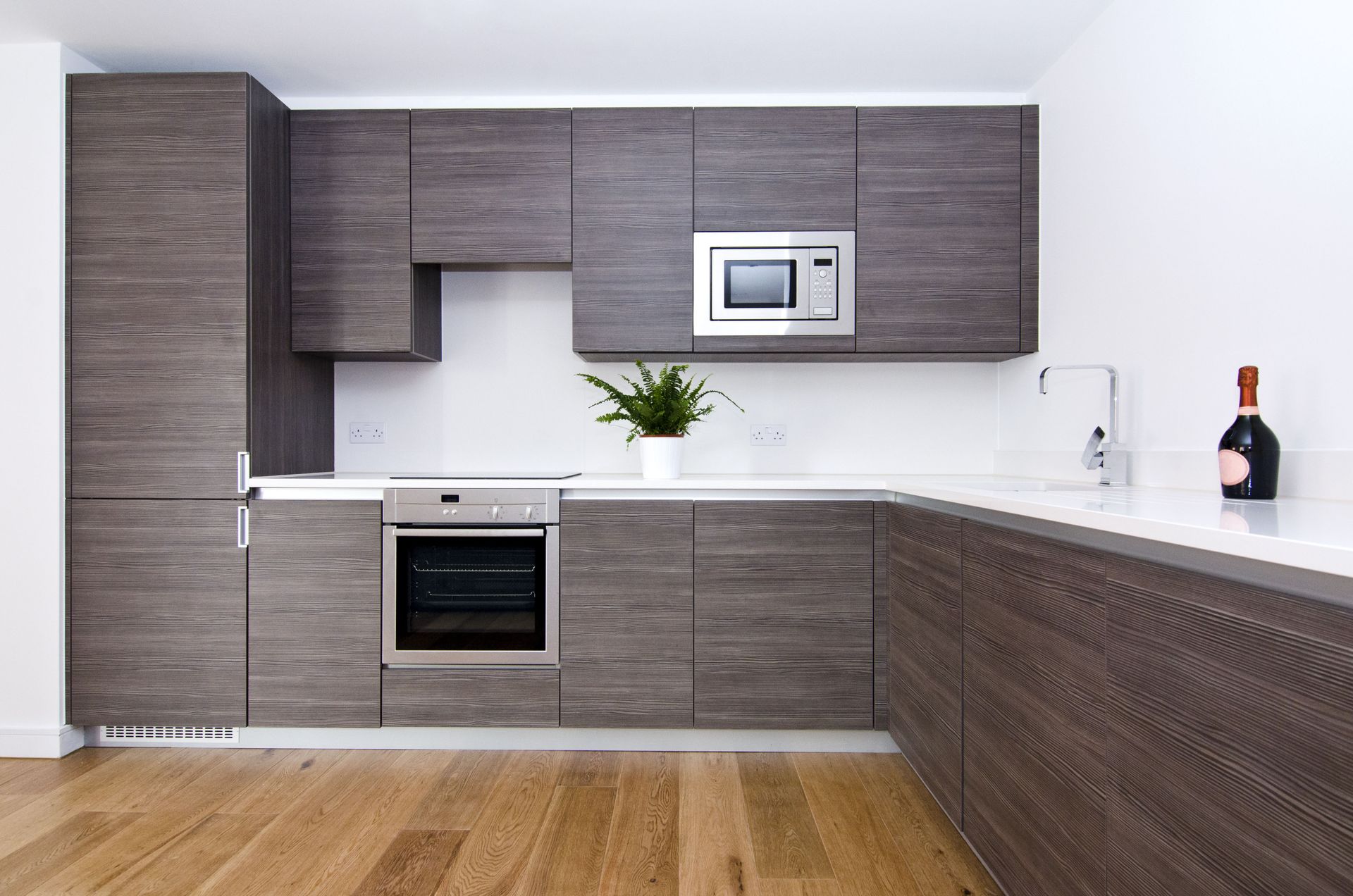
Builder-grade cabinetry is typically manufactured in standard sizes, finishes, and configurations to accommodate common residential layouts. These products are frequently used in new construction projects because standardized manufacturing helps simplify ordering and installation. Homeowners may find builder-grade cabinets available in popular colors, door styles, and materials without needing an extensive design process. Their limited range of options can make selection more straightforward for projects with conventional layouts. However, unusual room dimensions or specialized storage requirements may be difficult to accommodate with standard configurations alone. Some spaces may require filler panels or other adjustments to create a finished appearance around walls and appliances. Although builder-grade products vary in construction quality, their specifications and available customization options should be reviewed before purchasing. Comparing these characteristics with the requirements of the room helps determine whether standard cabinetry will provide the necessary functionality.
Exploring the Flexibility of Custom Designs
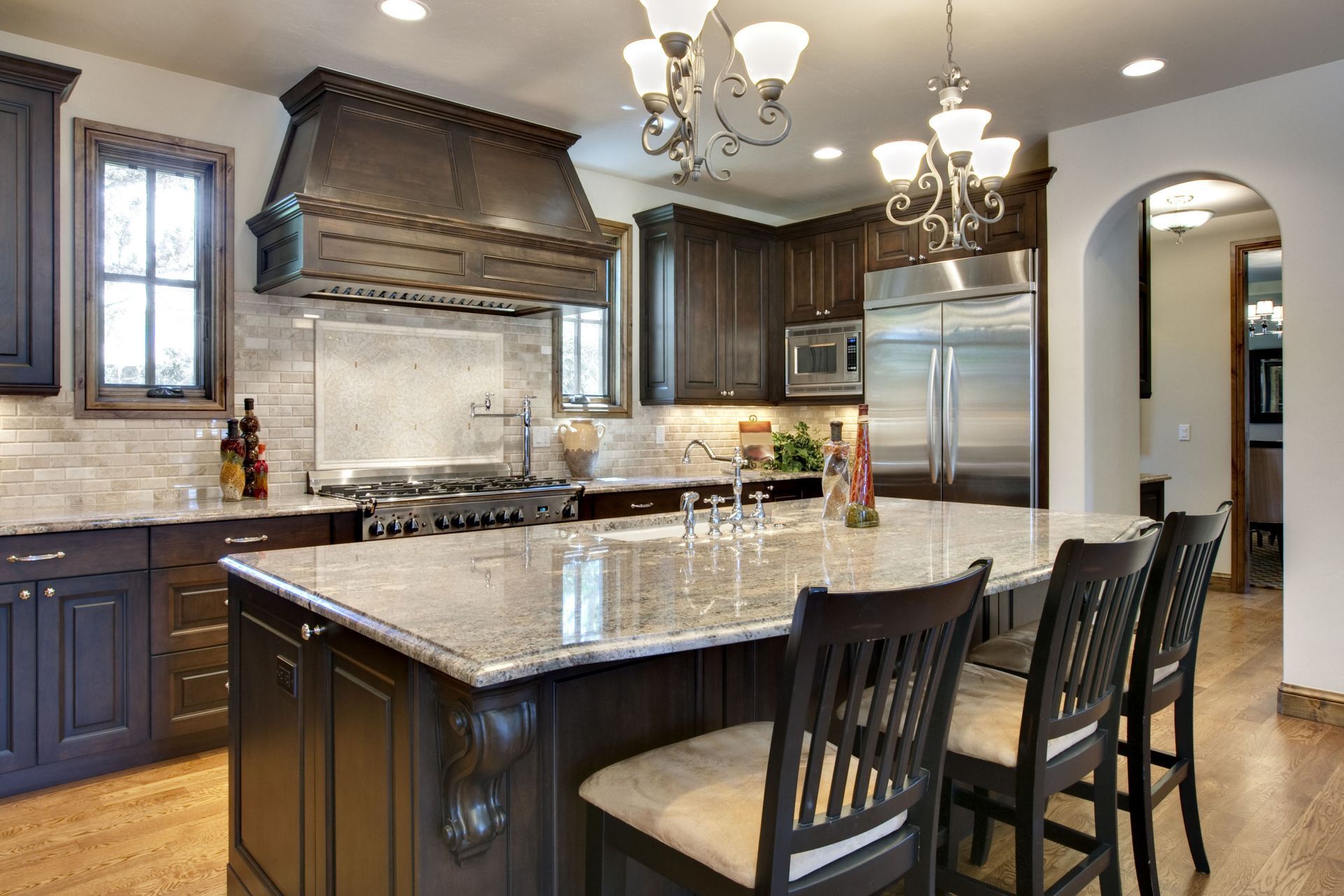
Custom cabinets are designed around the specific dimensions, storage needs, and aesthetic preferences of an individual project. This flexibility allows homeowners to account for unusual wall angles, ceiling heights, architectural features, and other conditions that standardized products may not address easily. Cabinet layouts can also be developed around particular household routines, such as preparing meals, storing cookware, or organizing specialty appliances. Homeowners can select door profiles, finishes, hardware, interior accessories, and other details to create a coordinated design. The design process may involve more planning and communication than choosing premanufactured options, but it provides greater control over the finished result. A cabinet designer can help translate practical requirements into a layout that makes effective use of the available space. This approach is particularly useful for renovations where every inch of storage matters. Careful planning helps ensure the cabinetry reflects both the room's dimensions and the homeowner's priorities.
Comparing Materials and Construction Quality
The materials used in cabinetry affect its strength, appearance, maintenance requirements, and expected service life. Builder-grade products may incorporate particleboard, medium-density fiberboard, plywood, solid wood, or combinations of these materials, depending on the manufacturer and product line. Custom cabinetry also varies by specification, so homeowners should review the actual materials rather than assuming every custom product uses the same construction methods. According to This Old House, custom cabinetry commonly features 3/4-inch furniture-grade plywood for cabinet boxes, paired with solid wood for door and drawer fronts. These material choices illustrate how construction specifications can influence the characteristics of a finished cabinet. Homeowners should also examine joinery, drawer box construction, hinges, slides, and protective finishes when comparing products. Moisture exposure is another consideration, especially in kitchens and bathrooms where humidity and occasional spills are common. Reviewing these details provides a more useful basis for comparison than relying on appearance or product labels alone.
Evaluating Storage and Interior Organization
Storage capacity is an important consideration when selecting cabinetry for a busy household. Standard cabinet configurations can provide useful storage for everyday items, but their fixed dimensions may not accommodate every household's needs. Custom cabinets can be designed with specialized drawers, adjustable shelving, pull-out organizers, tray dividers, and dedicated spaces for frequently used equipment. These features can help homeowners organize cookware, utensils, pantry supplies, cleaning products, and other household essentials. The layout can also account for accessibility, allowing frequently used items to remain within convenient reach. Before choosing a design, homeowners should consider what they intend to store and how often they use particular items. Cabinet designers can use this information to plan interior layouts that support practical daily routines. Thoughtful organization helps reduce wasted space and makes storage areas easier to maintain.
Comparing Design Options and Finishes
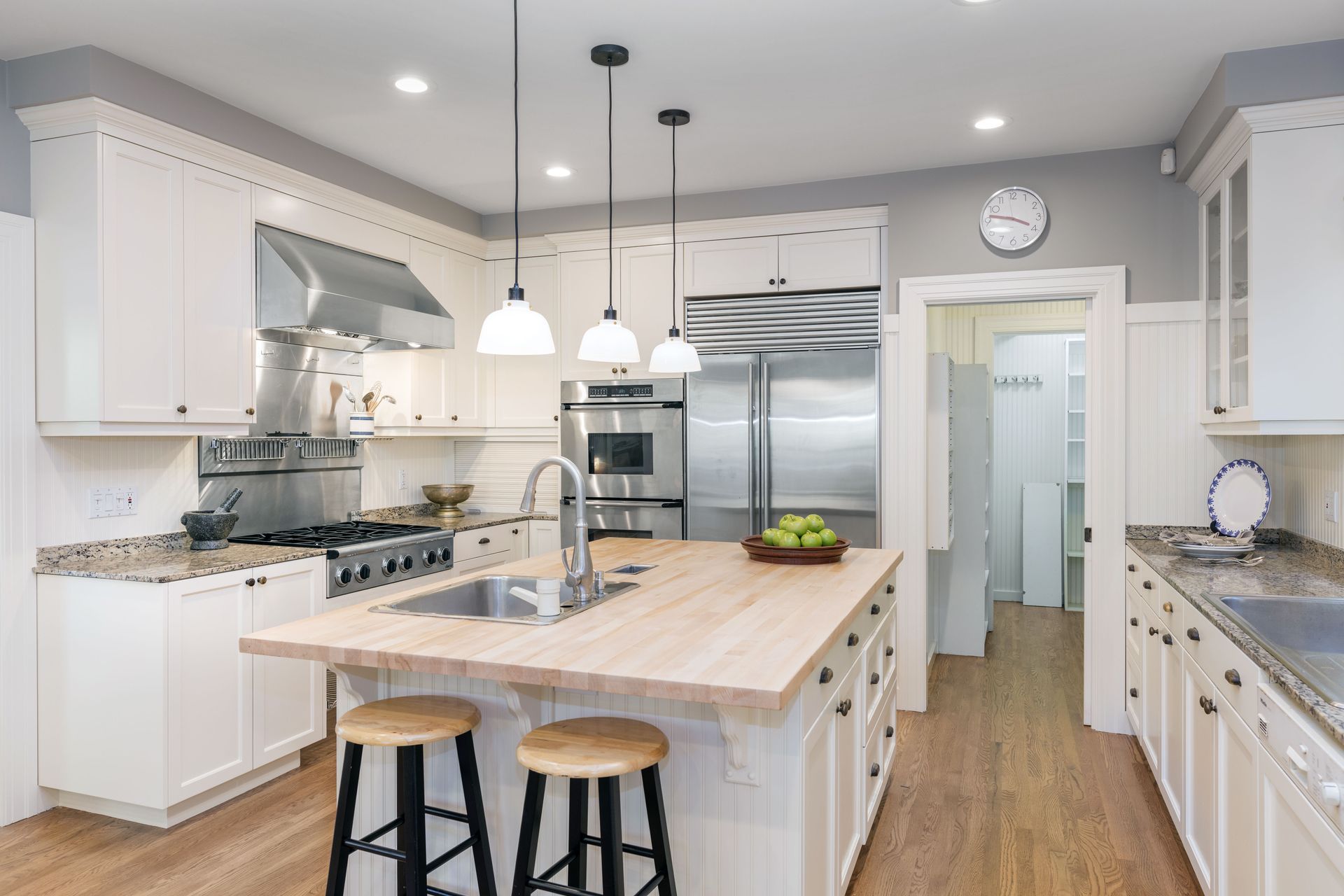
The visual differences between standard and personalized cabinetry can influence the overall character of an interior. Builder-grade products generally offer a predefined selection of door styles, colors, and finishes, although the available choices depend on the manufacturer. These options can work well when homeowners prefer a familiar appearance and do not need specialized details. Custom cabinets provide more flexibility in selecting materials, colors, profiles, decorative elements, and hardware combinations. This freedom can help coordinate cabinetry with countertops, backsplashes, flooring, lighting, and other interior features. Homeowners can also incorporate distinctive details such as glass-front doors, open shelving, contrasting island finishes, or decorative trim. However, a wider range of options requires thoughtful coordination to prevent the finished space from feeling visually crowded. Reviewing samples alongside the room's other materials can help establish a cohesive design before construction begins.
Considering Installation and Project Timelines
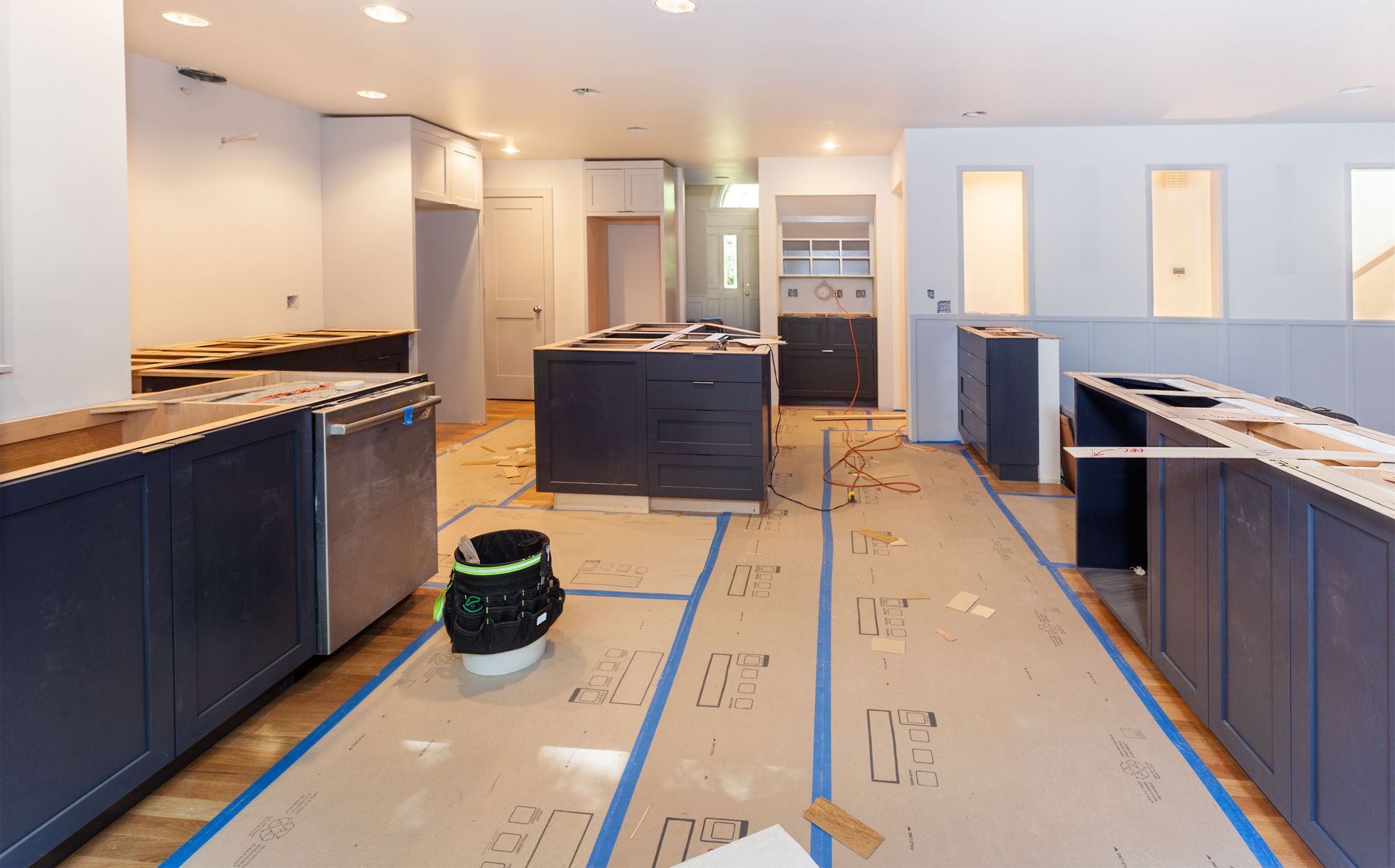
Installation requirements can differ depending on the cabinetry selected and the complexity of the room. Builder-grade cabinets may be available more quickly because they are manufactured in standardized sizes and are often stocked or ordered from established product lines. Their installation can also be more straightforward when the room follows conventional dimensions and requires minimal modification. Custom cabinetry generally involves additional steps, including measurements, design development, material selection, fabrication, and coordination with other renovation work. The overall timeline depends on the project's complexity, production schedules, material availability, and installation requirements. Homeowners planning a kitchen renovation should coordinate cabinet delivery with flooring, countertop installation, plumbing, electrical work, and appliance placement. Changes made after fabrication begins can affect both scheduling and project costs. Discussing expectations with the cabinet provider helps homeowners prepare for the work and understand the sequence of important milestones.
Balancing Initial Costs and Long-Term Value
Budget is often a major factor when comparing different cabinetry options. Builder-grade products typically cost less upfront because standardized manufacturing can reduce production expenses and simplify ordering. This can make them suitable for projects where affordability and straightforward installation are primary considerations. Custom cabinetry often requires a larger investment because of personalized design work, material specifications, fabrication, and specialized features. However, the overall value of either option depends on construction quality, installation, maintenance, and how well the cabinets meet the household's needs. Homeowners should compare detailed estimates rather than looking only at the initial purchase price. A useful estimate should clarify materials, hardware, finishes, installation, and any additional work required to prepare the space. Considering expected use and the potential need for future modifications can help homeowners evaluate the costs more comprehensively. The goal is to choose cabinetry that fits the budget while providing the functionality and appearance the project requires.
Selecting Cabinetry for Your Home
Choosing between builder-grade and personalized cabinetry begins with understanding the space and identifying the features that matter most. Homeowners with standard layouts and straightforward storage requirements may find that prefabricated options meet their needs. Those renovating rooms with unusual dimensions, specialized storage demands, or distinctive design goals may benefit from exploring custom solutions. Before making a decision, compare construction materials, available finishes, hardware quality, installation requirements, and total project costs. It is also helpful to consider how the room will be used and whether the storage arrangement will remain practical as household needs change. Reviewing samples, measurements, and design plans can make the differences between products easier to evaluate. A cabinet professional can explain available options and help identify details that deserve closer attention. With careful planning, homeowners can select cabinetry that supports the room's functionality and complements the overall interior design.
BTO Cabinet & Design can help homeowners explore cabinetry options that align with their design preferences, storage requirements, and renovation goals. Contact us to discuss your project and learn more about selecting cabinetry that brings functionality and style together in your home.